How to produce a commercial
A commercial runs on the same paperwork as a feature. There is a script, a schedule, a budget, a call sheet, and a crew that needs to know where to stand. The difference is time. You get about four weeks, and one or two days of actual shooting.
We made one this month. Horizon Studios, a video studio in San Francisco and Los Angeles that makes brand films for tech companies, runs its productions on Abby. The film is Polaris, a launch spot for an AI creative companion. Four weeks from concept to final cut. Environment plates shot in Prague, foreground on an Arri Alexa Mini LF, and the brand's letter O built for real, big enough for the lead to sit inside with a laptop. The studio counts 2.4 million views on YouTube and X so far.
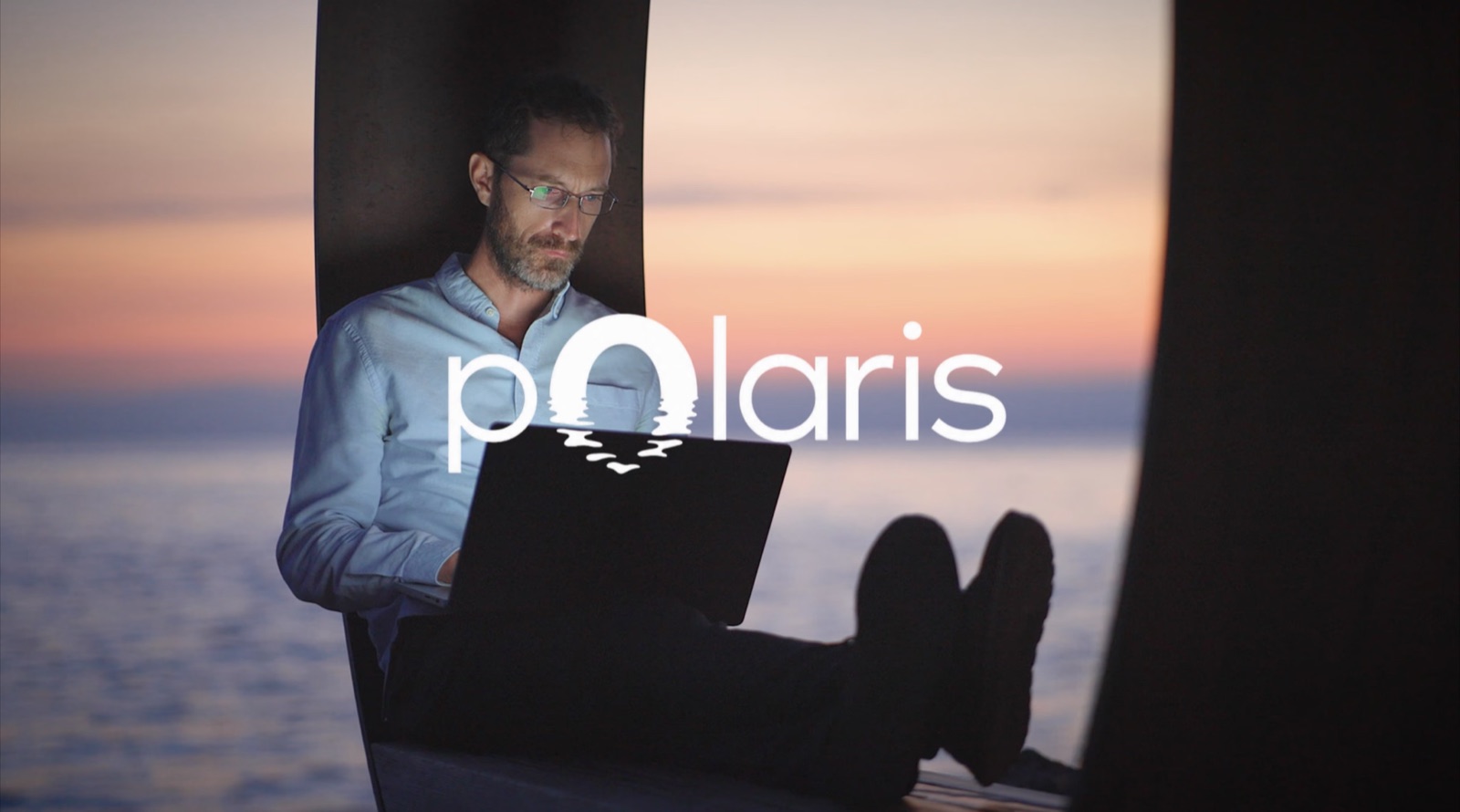
What makes a commercial different
If you come from narrative work, here is what changes:
- The script is a treatment. A few pages of boards and references instead of ninety pages of scenes. It breaks down the same way though: shots, builds, gear, people.
- Four weeks is the whole job. Treatment, prep, shoot, post, delivery. On a feature, prep alone takes longer than that.
- One or two shoot days. Nothing can slip to tomorrow, because tomorrow is not on the schedule.
- The crew is freelance. People get booked a few days out, hold more than one job at a time, and fall away if you go quiet. You have to know who is actually coming.
The client is also in the room the whole way through: treatment approval, cut approval, color approval. Changes come in fast, and there is no slack in the calendar to absorb them.
The shape of the four weeks
- Week one, the idea. On Polaris the pitch was to skip a digital logo and build the O for real, then use glass panels on screen to stand for the product's privacy promise. The day the client said yes, that O stopped being an idea and became a fabrication job with a lead time.
- Week two, the plan. The treatment gets broken down, the breakdown turns into shoot days and a budget, and the bookings go out. Polaris was two small productions on one calendar: plates in Prague, and the foreground work with the built O on a stage at the Amazon Studios lot in Culver City, composited together in post.
- Week three, the shoot. Call sheets go out, confirmations come back, and the day runs off the stripboard. With this little photography, a missing gaffer at 6 AM can sink the film.
- Week four, the finish. Compositing the foreground into the Prague plates, color, 3D. Then the deliverables: the hero cut, the cutdowns, the vertical versions for social. The launch plan is a big part of why a spot gets seen 2.4 million times instead of going up quietly.
The same job in Abby
Here is how we run that producing work in Abby:
- Drop in the treatment. Abby breaks it down like a script: setups, props, builds, people. Give a build like the O its own line. Fabrication has a lead time, and you want it on the calendar in week one, not discovered in week three.
- Draft the stripboard. For a one or two day shoot the board is everything: what shoots when, in what order, where the day runs long. Abby drafts it and flags what looks tight.
- Build the budget from the plan. The topsheet comes from the breakdown and the board, so the number the client approves matches the days you are actually shooting.
- Send the call sheets. Everyone gets the sheet by email or text, with one tap to confirm. Abby nudges whoever has not answered. On a freelance crew, that chasing is most of the job.
- Push changes. When the location moves or the client shifts the day, you push an update to the same link instead of emailing a new PDF around.
What Polaris taught us
- Keep both units in one place. Plates abroad and stage work at home were separate boards, with one budget and one deadline. Split them across different tools and they drift.
- Put builds on the calendar. The O was a fabrication job with its own timeline. It went on the schedule the day it was approved.
- Chase confirmations early. On a four week clock there is no spare week to absorb a no-show.
- Plan the deliverables up front. Cutdowns and verticals are easier to plan for before the shoot than to rescue after it.
Polaris was produced with Horizon Studios, our founder's studio, where every production runs on Abby. The film and the full case study are on their site.
Try it on your next spot
Abby is free to start, with the breakdown, the stripboard, and your first call sheet with one tap confirmations, no card needed. Drop in your treatment and see what she does with it.